

Live agent traceAwaiting buyer query
When clients ask AI who they should choose, does AI know why you?
Become the buyer.
I’m looking for a firm in UAEfor
You didn't lose.
You were never in the room.
AI RECOMMENDATION
- 01Competitor A
- 02Competitor B
- 03Competitor C
- 04MISSING
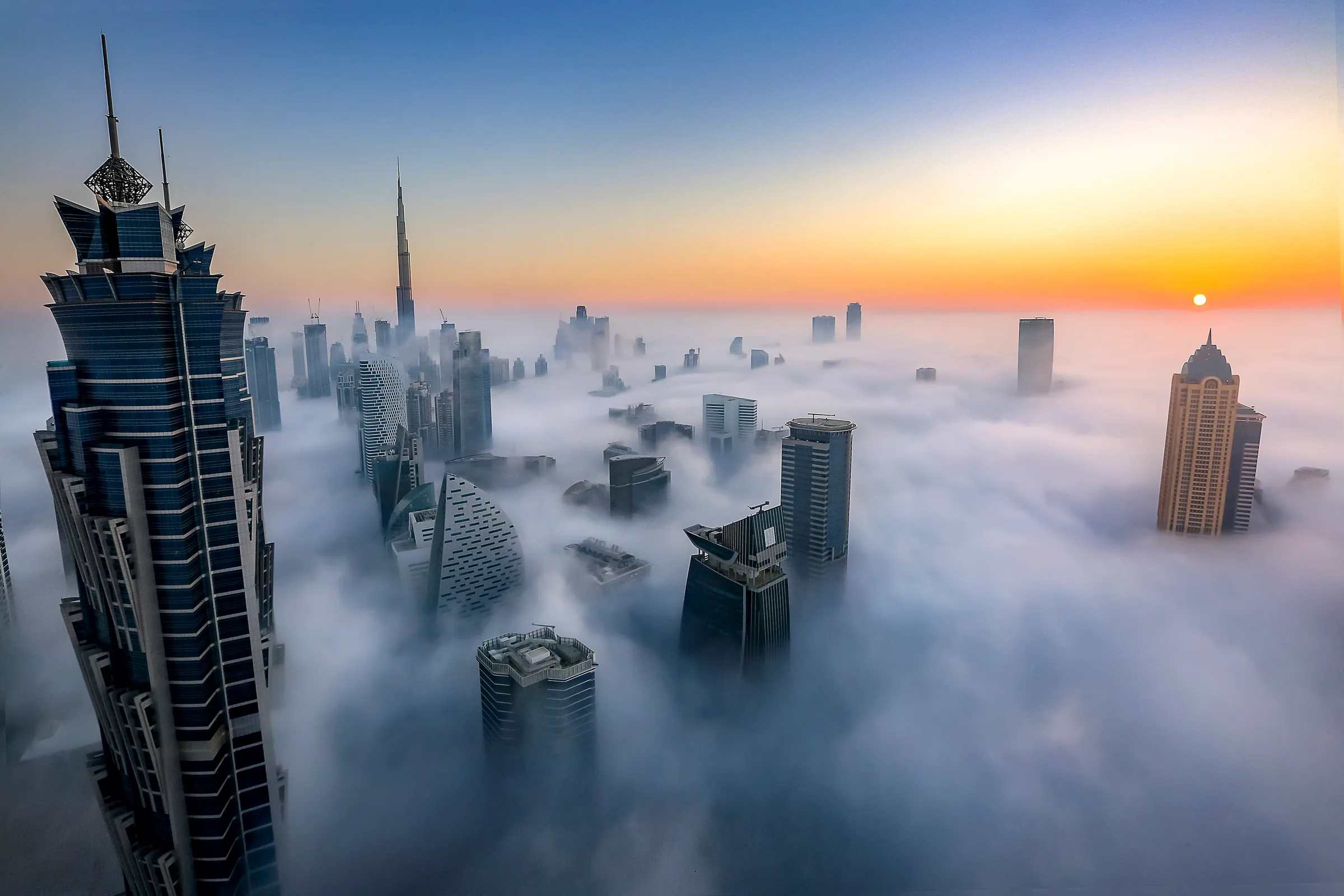 Mohanan Oruvayalil, CC BY-SA 4.0
Asked in Dubai. Answered by AI.
This is what your buyer reads.
Nine real questions and the answers that came back, word for word. Pick your sector. Look for your name.
 Japanexperterna.se, CC BY-SA 2.0
data as of Aug 20 2026
Ask about
Nine questions buyers in Dubai ask AI assistants, and the answers that came back.
Question: which is the first country that is adopting ai
If by "first country adopting AI" you mean which country is currently moving fastest to put AI into everyday life, government, and businesses, then the UAE is arguably the strongest answer right now.
🇦🇪 UAE - currently #1 in AI adoption
According to Microsoft's 2026 AI Diffusion analysis, the UAE ranked #1 globally, with 70.1% of its working-age population using generative AI in Q1 2026. That was the first time any economy crossed the 70% mark.
The ranking was roughly:
🇦🇪 UAE - 70.1% 🇸🇬 Singapore 🇳🇴 Norway 🇮🇪 Ireland 🇫🇷 France
The US was #21 on this particular adoption/diffusion metric, despite being the world's biggest AI-development hub.
And this isn't just people using ChatGPT. The UAE started its National AI Strategy back in 2017, years before the current generative-AI boom, with the explicit goal of integrating AI into government and the economy.
And Dubai specifically is interesting
Dubai is one of the places where this is particularly visible. A 2026 study cited by The National placed Dubai among the world's top cities for AI adoption, ahead of San Francisco.
So if you're thinking about where AI-native businesses usually willing to adopt AI, I'd put:
🇦🇪 Dubai/UAE → very high-priority market.
There's an important distinction, though:
USA = strongest AI builder/developer ecosystem. China = enormous AI ecosystem and deployment. UAE = exceptionally aggressive AI adopter/deployer.
Stanford's 2026 AI Index also estimates 64% generative- UAE, versus 28.3% in the US, depending on themethodology used.
So if your next question is about where to launch an AI product, the UAE/Dubai angle is actually quite compelling.
Question: law firm in difc for a shareholder dispute
If your dispute involves a DIFC company, a shareholders' agreement governed by DIFC or English law, or proceedings in the DIFC Courts, you'll generally want a firm with a strong corporate disputes and commercial litigation practice.
Here are several well-known options:
Al Tamimi & Company
One of the UAE's largest law firms. Strong team for shareholder disputes, corporate governance, commercial litigation, and arbitration. Well established in the DIFC.
Afridi & Angell
Highly regarded for corporate and commercial law. Extensive experience advising shareholders, founders, and investors on disputes.
Hadef & Partners LLC - Dubai office
Strong UAE corporate practice with commercial litigation and arbitration capabilities.
Sanjay Dubbey DIFC Lawyer - SDC Legal Consultants
Focuses specifically on DIFC corporate disputes, including shareholder deadlocks, minority shareholder claims, breaches of shareholders' agreements, and director misconduct.
Ismail Al Saffar Advocates and Legal Advisors
Based in the DIFC area with corporate and commercial dispute experience.
To recommend the right firm, it would help to know:
Is the company incorporated in the DIFC, mainland UAE, or another jurisdiction? Is the dispute over share ownership, director removal, shareholder oppression, breach of a shareholders' agreement, dividend/profit distribution, or a share buyout? What is the approximate value of the dispute?
With those details, I can narrow the recommendations to firms that are particularly strong in your type of shareholder dispute and budget.
Question: best hospital in dubai for a knee replacement
For a total knee replacement (TKR) in Dubai, the best choice depends on whether you prioritize surgeon expertise, robotic technology, complex revision surgery, insurance, or cost. Based on orthopedic reputation, surgical volume, and available technology, these are among the strongest options:
1. American Hospital Dubai ⭐⭐⭐⭐⭐ (Top overall)
Best for: Complex knee replacements, robotic-assisted surgery, international patients.
Why it's highly regarded:
One of the region's leading joint replacement centers. Advanced robotic-assisted knee replacement program. Handles both primary and revision (redo) knee replacements. Custom-made knee implants available for selected patients. Strong rehabilitation services after surgery.
2. King's College Hospital Dubai
4.4 · Private hospital · Open · Website · Directions · 800 7777
Best for: UK-standard orthopedic care.
Strengths:
UK-trained orthopedic consultants. Modern robotic knee replacement technology. Excellent reputation for joint replacement and rehabilitation. Popular with expats and medical tourists.
3. Emirates Hospital Jumeirah
4.6 · General hospital · Open · Website · Directions · 800 444444
Best for: High-volume knee replacement surgeons.
Highlights:
Home to the Tarabichi Center for Joint Care, one of the Middle East's most recognized joint replacement centers. Over 25,000 joint replacement surgeries reported. Robotic-assisted surgery. Expertise in difficult revision knee replacements.
4. Al Zahra Hospital Dubai
4.4 · Hospital · Open · Website · Directions · 04 378 6666
Best for: Computer-assisted joint replacement.
Known for:
Computer-navigated knee replacement. Experienced orthopedic team. Strong rehabilitation program. Good option for insured patients.
5. Medcare
4.6 · Specialized hospital · Open · Website · Directions · 800 6332273
A well-regarded private hospital with comprehensive orthopedic services, modern operating facilities, and rehabilitation support. It is a solid option for straightforward knee replacements.
If I had to rank them
Rank · Hospital · Best for 🥇 · American Hospital Dubai · Overall quality and robotic knee replacement 🥈 · Emirates Hospital Jumeirah · Joint replacement specialists and revision surgery 🥉 · King's College Hospital Dubai · UK-standard orthopedic care 4 · Al Zahra Hospital Dubai · Advanced technology and comprehensive care 5 · Medcare · Good all-around private orthopedic service
If you're traveling specifically for surgery
I would generally recommend:
American Hospital Dubai Emirates Hospital Jumeirah (Tarabichi Center) King's College Hospital Dubai
These centers combine experienced joint replacement surgeons, advanced surgical technology, and structured postoperative rehabilitation, which are among the most important factors influencing outcomes.
Question: is dubai marina still a good investment in 2026
Yes-but not for the same reasons it was a great investment 5–10 years ago.
Dubai Marina in 2026 has shifted from being a high-growth appreciation play to a premium, income-producing, relatively stable asset. Whether it's a good investment depends on what you're optimizing for.
If you're looking for long-term wealth preservation: Yes
Dubai Marina remains one of Dubai's most recognizable neighborhoods. It benefits from:
Waterfront location Direct Metro and Tram access Marina Walk lifestyle Walking distance to JBR Beach Strong expatriate and tourist demand High liquidity (it's easier to resell than many newer developments)
Unlike newer districts, Marina already has mature infrastructure and a proven rental market.
If you're looking for the highest rental yield: Probably not
Marina typically generates:
~5.5–7% gross rental yields for most apartments. Studios and 1-bed units generally outperform larger apartments. Net yields are lower after accounting for service charges, maintenance, and vacancy.
Areas such as JVC, Arjan, and Dubai South often produce higher rental yields because purchase prices are much lower.
If you're looking for rapid capital appreciation: There are better choices
Between 2022 and 2025, Marina enjoyed substantial price increases.
By 2026:
Growth has moderated. Analysts generally describe Dubai as entering a more mature phase. Future gains are expected to be steadier rather than explosive.
Risks in 2026
The biggest concern isn't Dubai Marina specifically-it's Dubai's overall supply pipeline.
A large number of new homes are being delivered across Dubai during 2025–2026, which could:
increase competition, slow price growth, put pressure on rents in some locations.
However, established waterfront communities like Marina are generally viewed as more resilient than newer speculative developments.
Who should buy in Dubai Marina?
It makes sense if you:
want reliable rental income, value easy resale, are investing for 10+ years, prefer a lower-risk, established neighborhood.
It may not be ideal if you:
want maximum appreciation, want the highest rental yield, have a limited budget where every percentage point of ROI matters.
My ranking for 2026
Goal · Dubai Marina Capital appreciation · ⭐⭐⭐⭐☆ Rental yield · ⭐⭐⭐☆☆ Liquidity · ⭐⭐⭐⭐⭐ Lifestyle · ⭐⭐⭐⭐⭐ Risk · ⭐⭐⭐⭐☆ Luxury investment · ⭐⭐⭐⭐⭐
Overall verdict
Dubai Marina is still one of Dubai's safest property investments in 2026, but it's no longer the market's fastest-growing opportunity.
If your goal is stable appreciation plus dependable rental demand, Marina remains an excellent choice.
If your goal is maximizing ROI, you may find stronger opportunities in areas such as JVC, Arjan, Dubai South, or selected off-plan developments, albeit with higher risk.
Question: where should i stay in dubai for 5 days with kids
For a 5-day family vacation with kids, I'd recommend choosing one base rather than moving between hotels. Dubai is easy to get around by taxi, and staying in one place makes the trip much more relaxing.
Here are the best areas depending on your priorities:
1. Dubai Marina / JBR ⭐⭐⭐⭐⭐ (Best overall)
This is the area I'd recommend for most families.
Pros
Safe, walkable waterfront JBR Beach has playgrounds and splash areas Plenty of restaurants Bluewaters Island is within walking distance Easy access to Palm Jumeirah and Downtown Great evening atmosphere
Good family hotels
Hilton Dubai Jumeirah Sofitel Dubai Jumeirah Beach JA Ocean View Hotel Address Beach Resort
2. Palm Jumeirah ⭐⭐⭐⭐⭐ (Luxury family resort)
Perfect if the hotel itself is part of the vacation.
Kids love:
Aquaventure Waterpark The Lost Chambers Aquarium Private beaches Kids' clubs Multiple pools
Best hotels:
Atlantis The Palm Atlantis The Royal Sofitel The Palm Rixos The Palm
This is more expensive but offers a complete resort experience.
3. Downtown Dubai ⭐⭐⭐⭐☆
Choose this if your family wants sightseeing.
Nearby:
Burj Khalifa Dubai Mall Dubai Aquarium KidZania Dubai Fountain
Good hotels:
Address Downtown Palace Downtown Kempinski Central Avenue
4. Dubai Creek / Festival City ⭐⭐⭐⭐☆
Often overlooked but excellent for families.
Benefits:
Quieter than Marina Less traffic Large shopping mall IMAGINE light and water show More spacious hotels Better value
If your kids are under 10
A great itinerary would be:
Day 1: Dubai Mall + Aquarium + Fountain Day 2: Atlantis Aquaventure Day 3: Miracle Garden (seasonal) or Dubai Safari Park Day 4: JBR Beach + Bluewaters Island Day 5: Museum of the Future or IMG Worlds of Adventure
Question: best bank in the uae to open a business account
There isn't a single best bank for every business in the UAE. The right choice depends on your company size, whether you're in a free zone or mainland, your expected turnover, and whether you prioritize fast account opening, low fees, or international banking.
Here's a practical comparison:
Bank · Best for · Pros · Potential drawbacks Wio Bank · Startups, SMEs, digital businesses · Fast digital onboarding, modern app, low minimum balance requirements · Limited trade finance compared to traditional banks Emirates NBD · Established businesses · Strong reputation, extensive branch network, trade finance, international services · Higher minimum balance and stricter KYC Abu Dhabi Commercial Bank (ADCB) · SMEs · Good digital banking, competitive business accounts, startup-friendly options · Approval can take several weeks Mashreq · Tech companies and SMEs · Good online banking, relatively quick onboarding · May not suit larger corporates with complex banking needs HSBC UAE · International companies · Excellent global banking, multicurrency accounts, trade finance · Higher balance requirements and more extensive compliance checks
My recommendations by business type
New startup or freelancer: Wio Bank SME with regular local business: ADCB Trading/import-export company: Emirates NBD International business with overseas payments: HSBC UAE Growing digital business: Mashreq or Wio
Documents you'll usually need
Most UAE banks ask for:
Trade license Memorandum of Association (MOA) Shareholders' passports and Emirates IDs UAE residence visa (where applicable) Office lease (Ejari or free zone lease) Business plan or expected business activity Proof of source of funds
Banks also conduct Know Your Customer (KYC) and anti-money laundering (AML) checks, so approval times can range from a few days for digital banks to several weeks for traditional banks.
If you tell me:
Mainland or Free Zone? Business activity (e.g. e-commerce, consulting, trading, software) Expected monthly turnover Are you a UAE resident?
I can recommend the bank that is most likely to approve your application with the lowest ongoing costs.
Question: where to buy specialty coffee beans in dubai
Dubai has one of the strongest specialty coffee scenes in the region. If you're buying beans for home brewing, these are among the best places:
RAW Coffee Company – One of Dubai's pioneering specialty roasters. Excellent single-origin coffees, seasonal blends, and knowledgeable staff. They roast locally and are a great choice for espresso or filter brewing. Coterra Coffee Roasters – Known for fresh roasts, a wide variety of origins, and good value. A favorite among local enthusiasts for home brewing. Emirati Coffee Roastery – Offers specialty beans from multiple origins and a solid range of light to medium roasts. Roasters Specialty Coffee House Al Wasl (and other branches) – Stocks one of the largest selections of specialty beans in the UAE, including rare auction lots from countries such as Panama, Ethiopia, and Colombia. Doppio Roasters – A Dubai-based roaster with freshly roasted beans, including Brazilian, Ethiopian, Colombian, and Costa Rican coffees, available in-store and online.
Other highly regarded roasters frequently recommended by Dubai's coffee community include:
Nightjar Coffee Cypher Roastery Grandmother Roastery Archers Coffee Specialty Batch Coffee Roasters Boon Coffee
If you're looking for a specific flavor profile:
Fruity, floral pour-over: Ethiopian Yirgacheffe or Guji. Balanced everyday espresso: Brazil Cerrado or Colombia Huila. Sweet, complex filter coffee: Panama Geisha (premium) or washed Kenyan coffees.
If you tell me:
your brew method (espresso, V60, Chemex, AeroPress, French press, etc.), your budget, and whether you prefer light, medium, or dark roasts,
I can recommend specific beans currently available in Dubai.
Question: best british curriculum school in dubai
Dubai has many excellent British curriculum schools, so the "best" one depends on your child's age, budget, location, and priorities (academics, sports, arts, university admissions, etc.). Based on recent KHDA (Dubai's education regulator) ratings and reputation, these are among the top choices:
School · Best For · KHDA Rating Dubai British School Emirates Hills · Strong academics, balanced extracurriculars · Outstanding Dubai British School - Jumeirah Park · Modern campus, excellent pastoral care · Outstanding Dubai College · Outstanding GCSE & A-Level results (Years 7–13) · Outstanding Dubai English Speaking School (DESS) · One of the most prestigious primary schools · Outstanding Dubai English Speaking College (DESC) · Excellent secondary education · Outstanding Hartland International School Dubai · Academics plus creative arts · Outstanding Horizon English School · Highly regarded primary education · Outstanding Jumeirah College · Strong A-Level outcomes and university placements · Outstanding
These schools consistently receive the highest KHDA inspection ratings and are well regarded by families.
If I had to narrow it down:
Best overall: Dubai British School Emirates Hills Best for academic excellence: Dubai College Best primary school: Dubai English Speaking School (DESS) Best all-through (FS1–Year 13): Dubai British School - Jumeirah Park Best for holistic development: Hartland International School Dubai
Keep in mind that many of these schools have waiting lists, so it's worth applying well in advance. Parent discussions also frequently mention DESS, DESC, Dubai College, and the Dubai British Schools as top choices, with location and commute being major deciding factors.
If you tell me:
your child's age/year group, your annual school fee budget (e.g. AED 30k, 50k, 80k+), and which area of Dubai you'll live in,
I can recommend the 3–5 schools that would be the best fit for your family.
Question: which free zone should i set up my company in dubai
The best free zone depends on what your business does, where your customers are, and your budget. There isn't a single "best" choice for everyone. Dubai has more than 20 free zones, each designed for different industries and business models.
Here's a practical guide:
If you're starting a... · Recommended free zone · Why Consulting or professional services · IFZA · Competitive pricing, flexible licensing, popular with SMEs. Tech startup or SaaS · Dubai Silicon Oasis (DSO) · Strong tech ecosystem and startup support. Trading/import-export · DMCC or JAFZA · Excellent logistics, banking reputation, and international trade networks. E-commerce · Meydan Free Zone or IFZA · Fast setup and suitable e-commerce activities. Financial services or fintech · DIFC · World-class financial regulatory framework and investor ecosystem. Manufacturing or logistics · JAFZA · Direct access to Jebel Ali Port and industrial infrastructure.
A few general recommendations:
Best overall for SMEs: IFZA – good balance of cost, flexibility, and business activities. Best premium business address: DMCC – excellent reputation, especially for international companies. Best value for startups: Meydan Free Zone – quick incorporation and competitive packages. Best for global trade: JAFZA – ideal if you handle physical goods. Best for finance: DIFC – if you're in financial or regulated services.
One important consideration: if you expect to sell directly to customers across the UAE mainland, compare a mainland company with a free zone company before deciding. Free zones are excellent for international business and many service businesses, but they have different rules for mainland trading.
A familiar shape
The person AI picked isn't better.
They're just easier to back up.
Eleven years in
- Clients who've hired you twice
- Work nobody has written about
- #1 on Google
AI says
Nothing I can cite.
Three years in
- A fraction of your client list
- Two write-ups with their name in them
- One bio, identical everywhere
AI says
I'd recommend them.
That isn't a skill gap. It's a paperwork gap - and paperwork is the easiest kind of gap to close.
What we build
An assistant doesn't read your website.
It assembles you from five places.
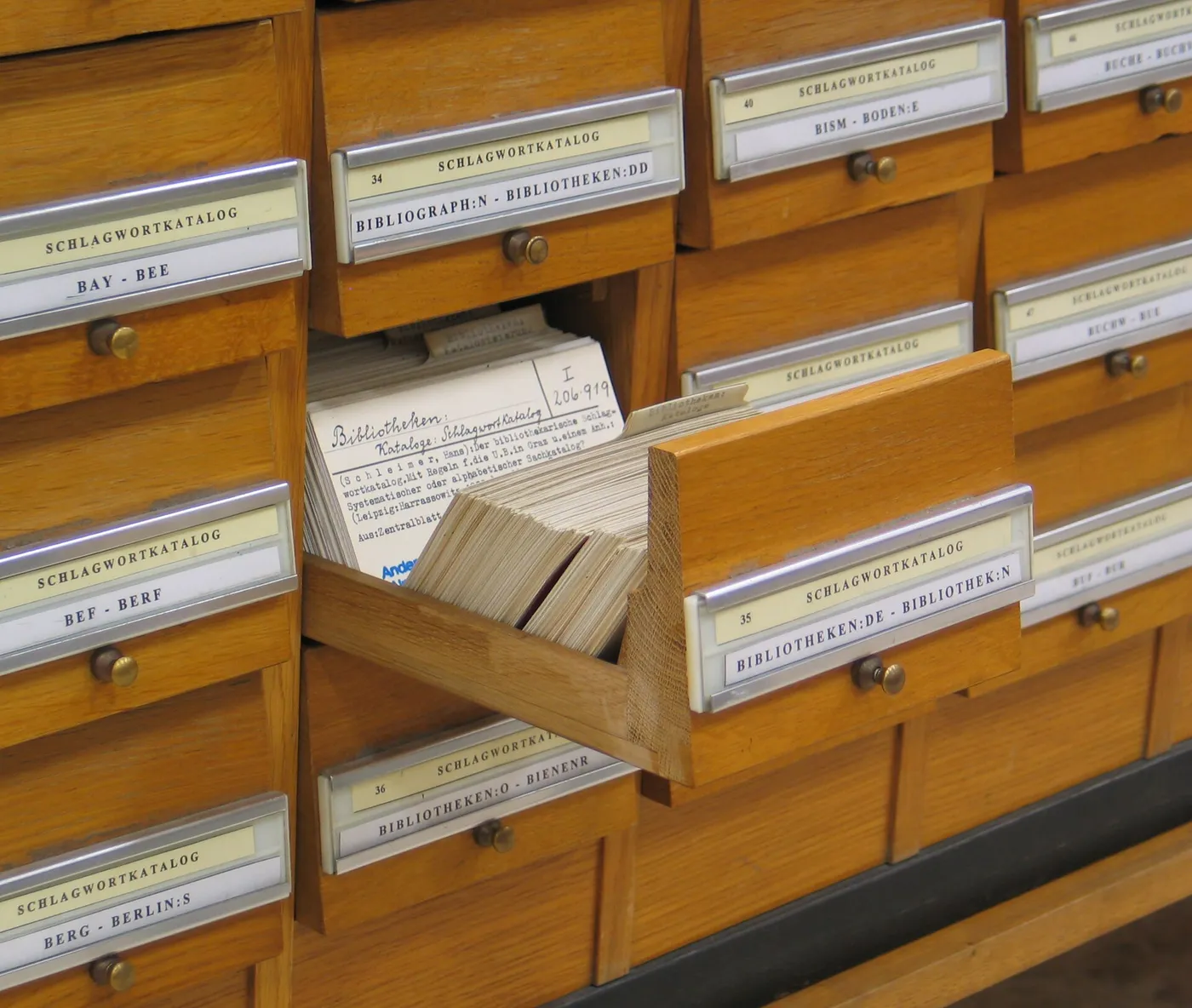
- Dr. Marcus Gossler, CC BY-SA 3.0
01THE RECORD
What you've published under your own name.
Your site, bio and structured data, written to be parsed. Every other signal is checked against it.
Photograph: A library card catalogue with one drawer pulled open. - PattayaPatrol, CC BY-SA 4.0
- PattayaPatrol, CC BY-SA 4.0
- Bernard Spragg, CC0
- David Brewer, CC BY-SA 2.0


How long this actually takes
Weeks if not days, but definitely not months.
The starting point determines how quickly the signal moves.
WEEK
You don't switch visibility on.
You build enough evidence for it to start holding.
WEEK 1 - 2
Your own record
We fix every place your site, bio and profiles disagree.
WEEK 3 - 4
The corroboration starts
Publications and third parties start repeating the same facts.
Your story becomes independently supported.
WEEK 5 - 8
Where it starts to hold
The same pattern appears across different AI systems.
You start showing up in conversations you never wrote for.
Questions people ask before they start
Four questions. One word each.
I ALREADY SHOW UP FIRST ON GOOGLE.
GOOD.
That gets you a page. This gets you a name inside someone else's sentence.
ISN'T THIS JUST SEO?
DIFFERENT.
SEO gets a page ranked. This builds a case a model can repeat about a person.
WHAT DO YOU ACTUALLY CHANGE?
EVIDENCE.
The record you publish, the third parties who back it, and the facts that have to agree across both.
HOW SOON WILL I SEE SOMETHING?
WEEKS.
Real movement builds over weeks, and it compounds - every new source makes the next answer easier to win.
From unknown
to unforgettable.
What does AI already say about you?
We don't engineer the answer. We engineer the evidence.
Talk to Nakoda AI U.S. Coast Guard, public domain
04 of 08 · Nakoda AI divisions
AI Visibility is one of eight. They work as one.
- 01AI Strategy
- 02AI Governance
- 03AI Audit
- 04AI VisibilityYou are here
- 05Business Setup AdvisoryRead next
- 06Learning and Development
- 07Community
- 08Others
UAE AI ecosystem
Organisations this division works with
From the directory